Disclosure: we earn a commission when you buy through links on this page, at no extra cost to you. Build recommendations on this page are generated by AI from a compatibility-checked parts catalog, and prices are estimates.
The Best Streaming PC Build Under $2,000 (2026)
Updated Jul 22, 2026. Prices are estimates and may have changed.
Streaming modern AAA games at high quality from a single PC demands a CPU that can handle both encoding and multitasking, and a GPU that powers 1440p gaming without stutter. Under $2,000, the ideal setup balances these needs. Our recommended balanced build ($1,885) pairs a 12-core Ryzen 9 9900X with a PowerColor RX 9070 XT 16GB: plenty of cores for OBS and Discord while the GPU delivers buttery visuals. For those on a tighter budget, the value build ($1,605) uses the Ryzen 7 7700X and RTX 5070 for excellent 1080p and solid 1440p streaming. If you can stretch a bit, the performance build ($2,637) with a 9800X3D and RTX 5070 Ti ensures top-tier 1440p and even entry-level 4K streaming. All builds use fast DDR5 and NVMe storage to keep load times short and your stream smooth.
Three streaming PC builds compared
Value
★ Recommended CPUAMD Ryzen 7 7700X$224
 MotherboardGIGABYTE B650 AORUS Elite$140
 Coolerbe quiet! Dark Rock Pro 5 (Ventirad)$85
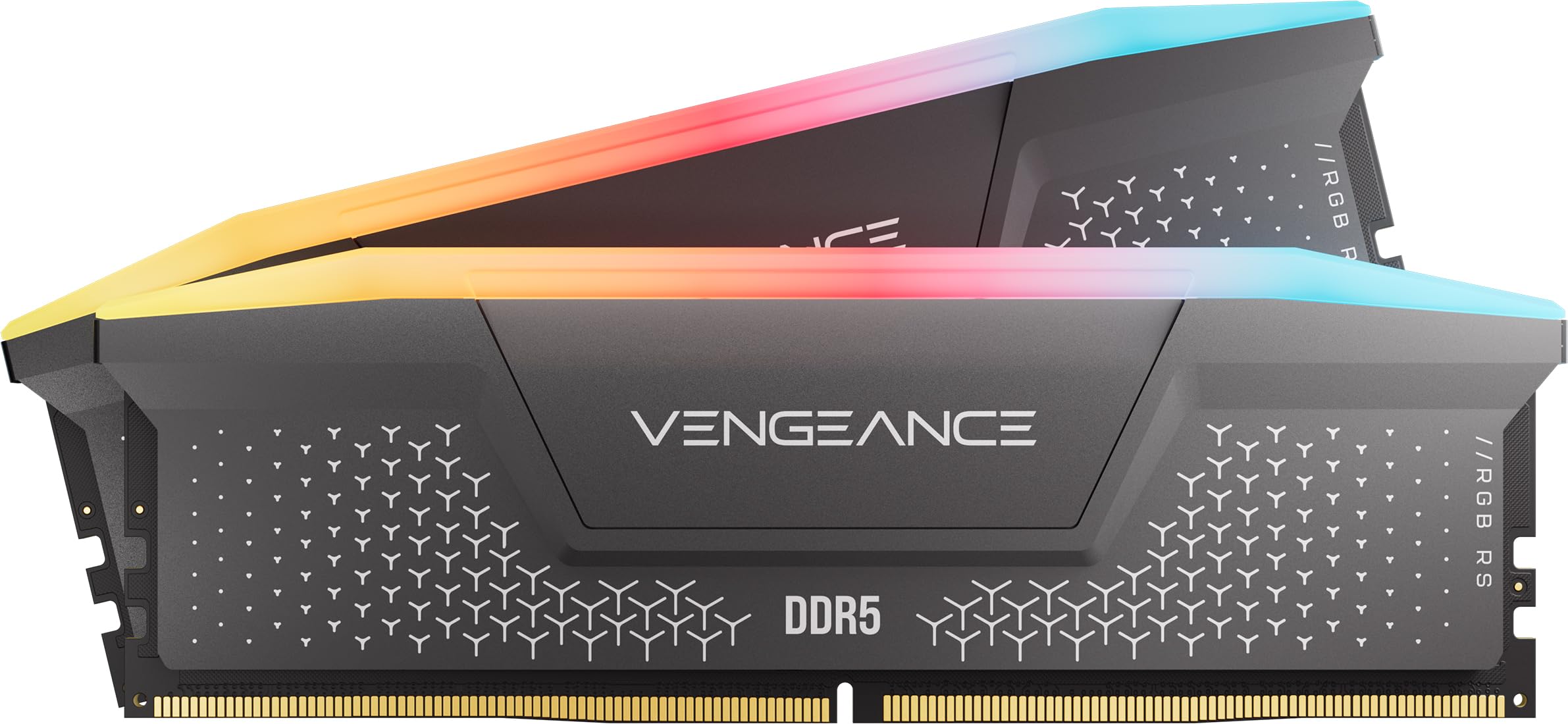 MemoryCorsair Vengeance RGB RS - 16GB - DDR5 - 6000MHz$245
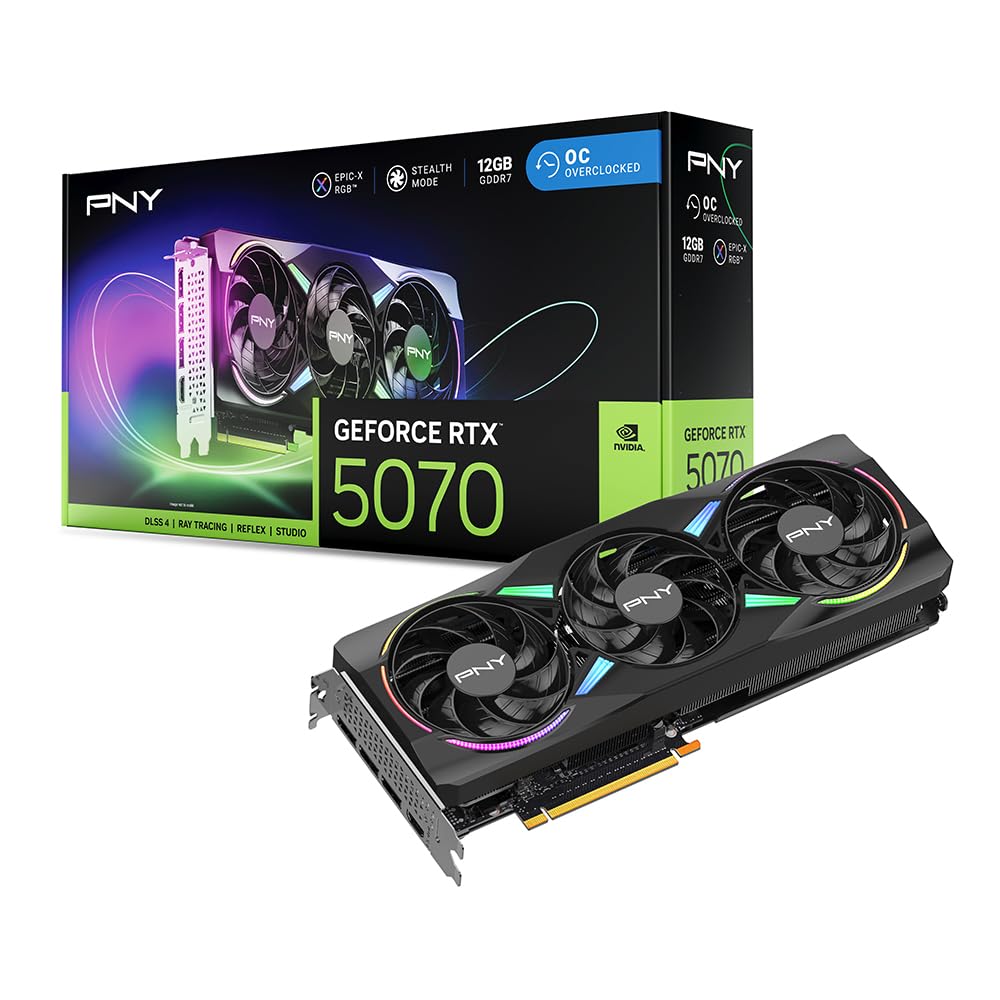 GraphicsPNY GeForce RTX 5070$616
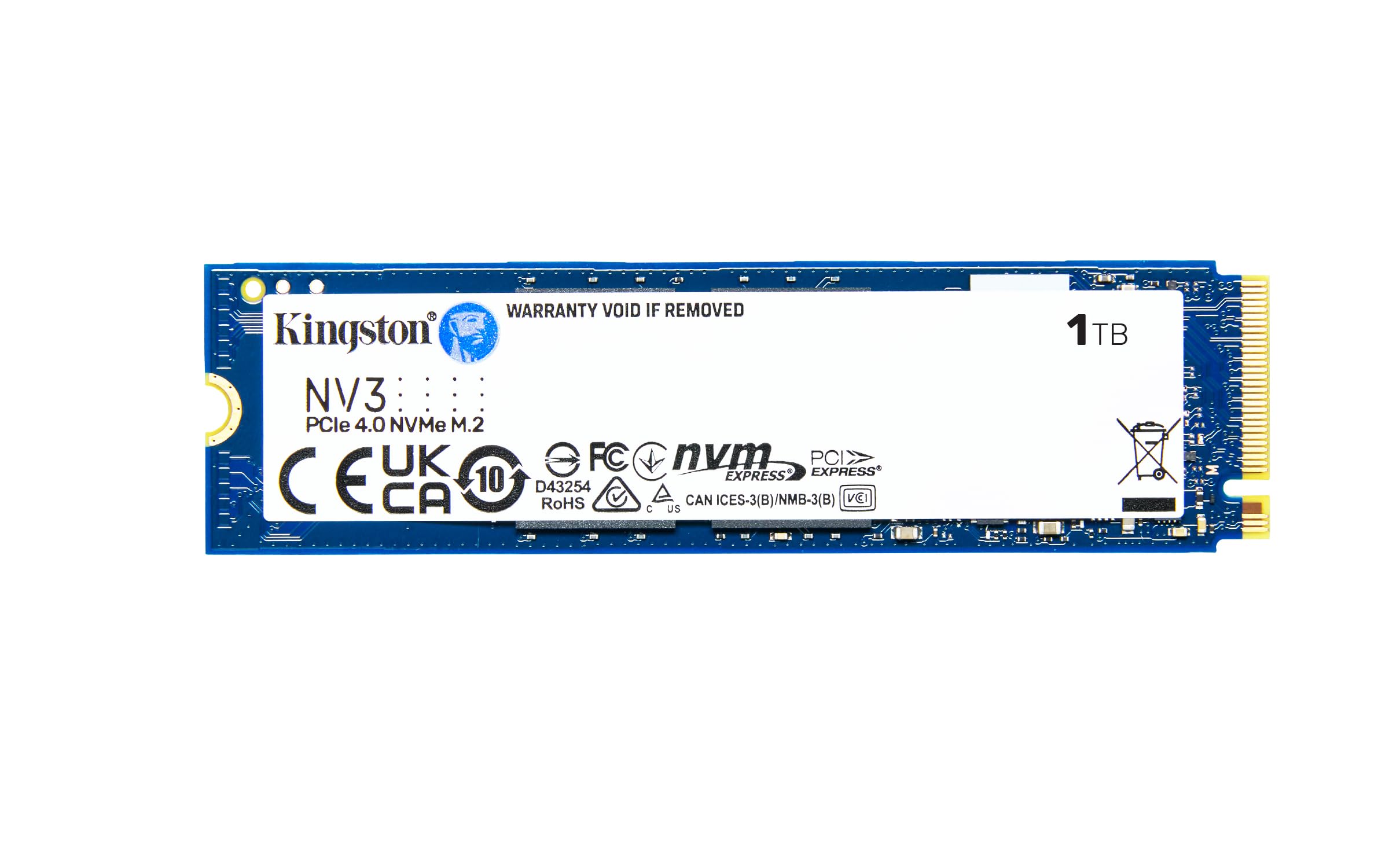 StorageKingston 1TB NV3$159
 Power supplyRosewill VMG - 750W$66
 CaseMontech XR-B$70
💡 Build analysis (AI)
- • Memory: 16GB RAM is low for encoding and multitasking; 32GB would provide much better headroom.
- • Power supply: The Rosewill VMG 750W is a budget unit; a higher-quality PSU improves long-term reliability.
- • +$13 → Montech Century II - 850W — More reliable, higher wattage, and ATX 3.1/PCIe 5.1 support for a small price increase.
Performance
- RAM 33 mm exceeds the air cooler clearance of 32 mm: possible conflict.
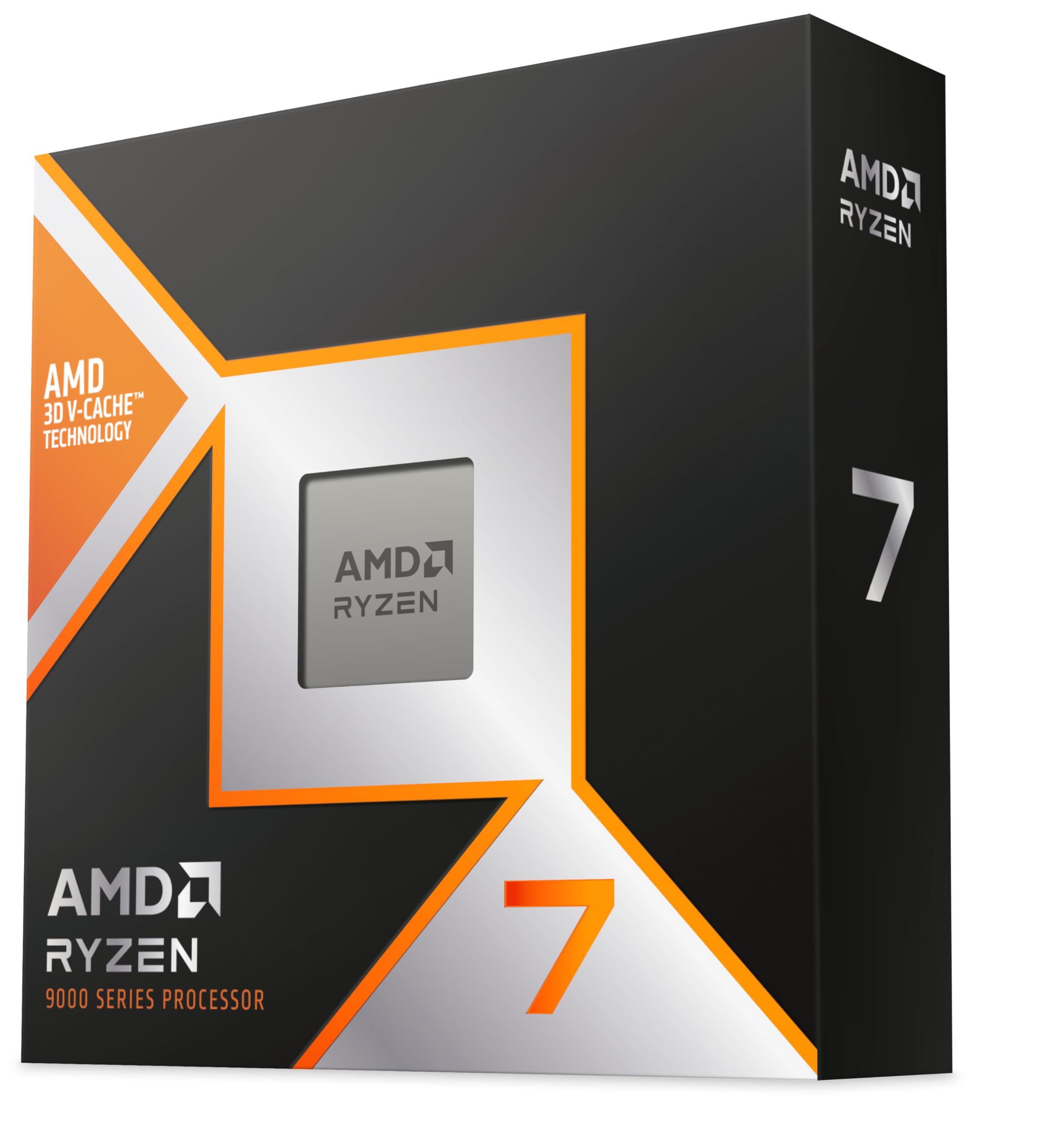 CPUAMD Ryzen 7 9800X3D$443
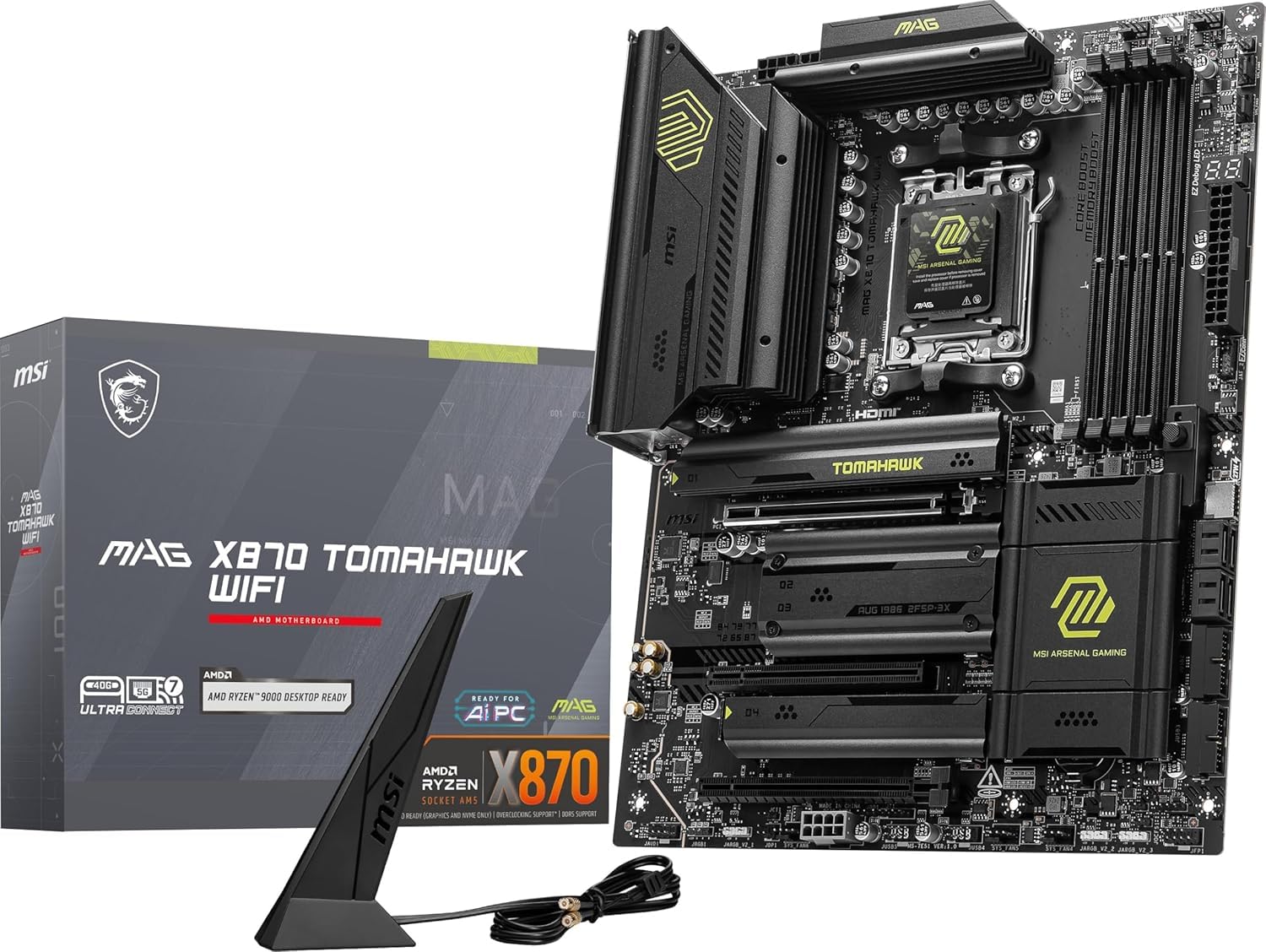 MotherboardMSI MAG X870 Tomahawk$170
 CoolerNoctua NH-D15 chromax.Black (Ventirad)$120
 MemoryTEAMGROUP T-Force Vulcan - 32GB - DDR5 - 6000MHz$400
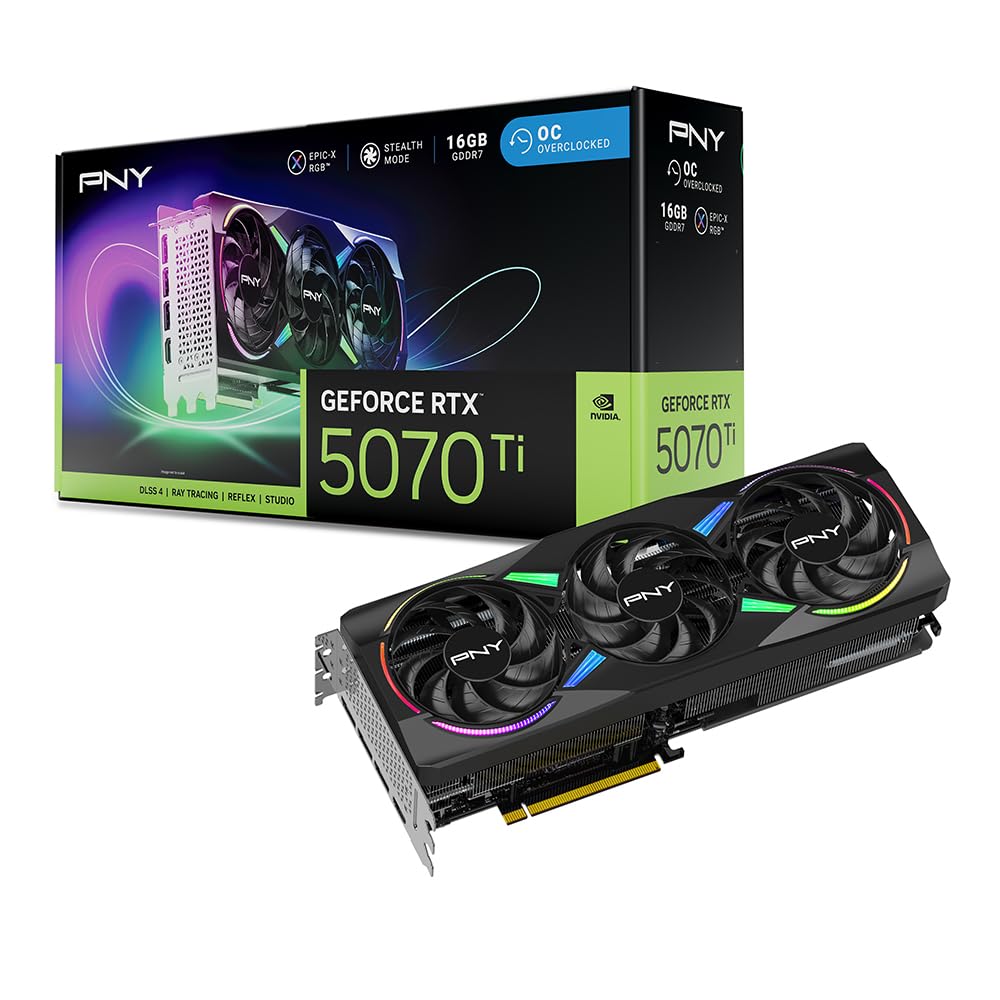 GraphicsPNY GeForce RTX 5070 Ti$950
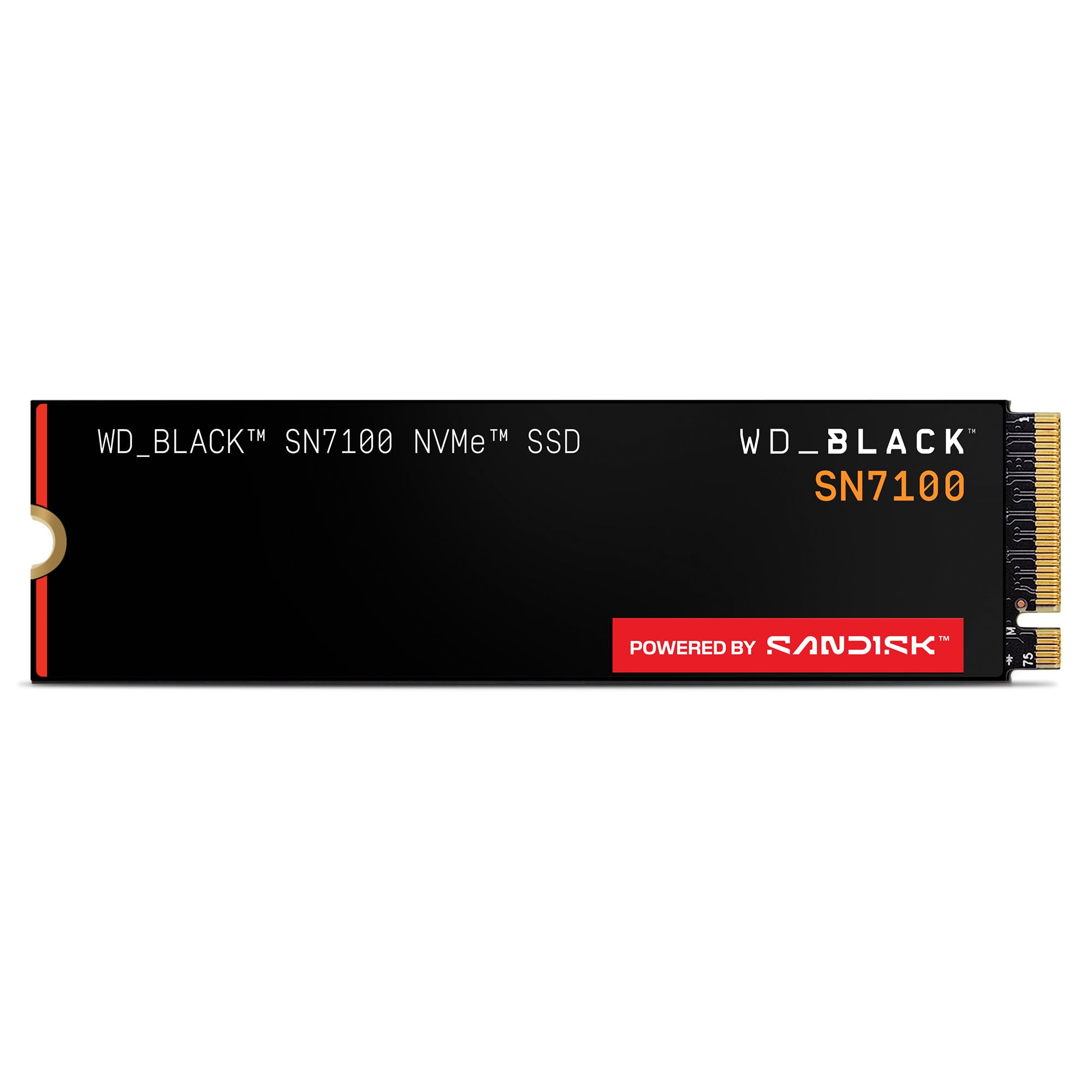 StorageSandisk 1TB WD_Black SN7100$190
- StorageKingston 1TB NV3$159
 Power supplyMSI MAG A850GL PCIE5 - 850W$105
 CaseLian Li LANCOOL 216$100
💡 Build analysis (AI)
- • Memory: The TEAMGROUP T-Force Vulcan RAM height (33 mm) exceeds the Noctua NH-D15's clearance (32 mm), causing physical interference unless the front fan is raised or removed.
- • Motherboard: The MSI MAG X870 Tomahawk offers PCIe 5.0 and Wi‑Fi 7 but these are not essential for gaming; a cheaper B650E board would maintain performance and reduce cost.
- • Graphics: The RTX 5070 Ti is excellent for 1440p, but the 5070 non‑Ti still handles 1440p gaming very well at high settings and would bring the build closer to budget.
- • −$94 → AMD Ryzen 7 7800X3D — Save $94 without notably affecting gaming or encoding performance, directly addressing the budget overrun.
- • −$155 → ASUS GeForce RTX 5070 — Swap to RTX 5070 saves $155 and still delivers strong 1440p gaming, making a significant dent in the $636 overspend.
- • −$10 → Corsair Nautilus 360 RS ARGB White (AIO) — An AIO eliminates the RAM clearance conflict entirely, costs $10 less, and fits the case while cooling the CPU effectively.
Balanced
- RAM 44 mm exceeds the air cooler clearance of 32 mm: possible conflict.
 CPUAMD Ryzen 9 9900X$329
 MotherboardMSI MAG B650 Tomahawk Gaming$176
- CoolerNoctua NH-D15 (Ventirad)$110
- MemoryCorsair Vengeance RGB RS - 16GB - DDR5 - 6000MHz$245
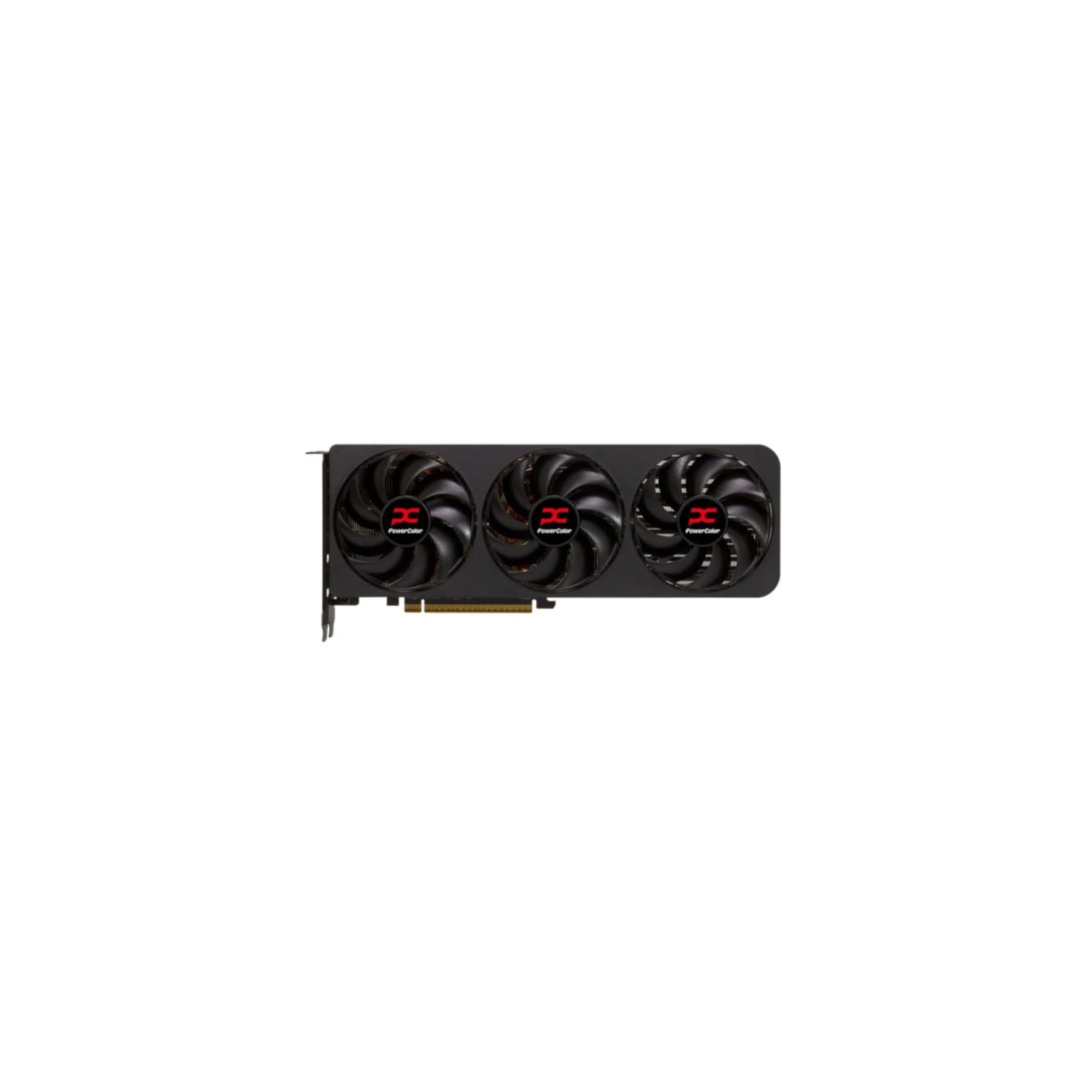 GraphicsPowerColor Radeon RX 9070 XT$690
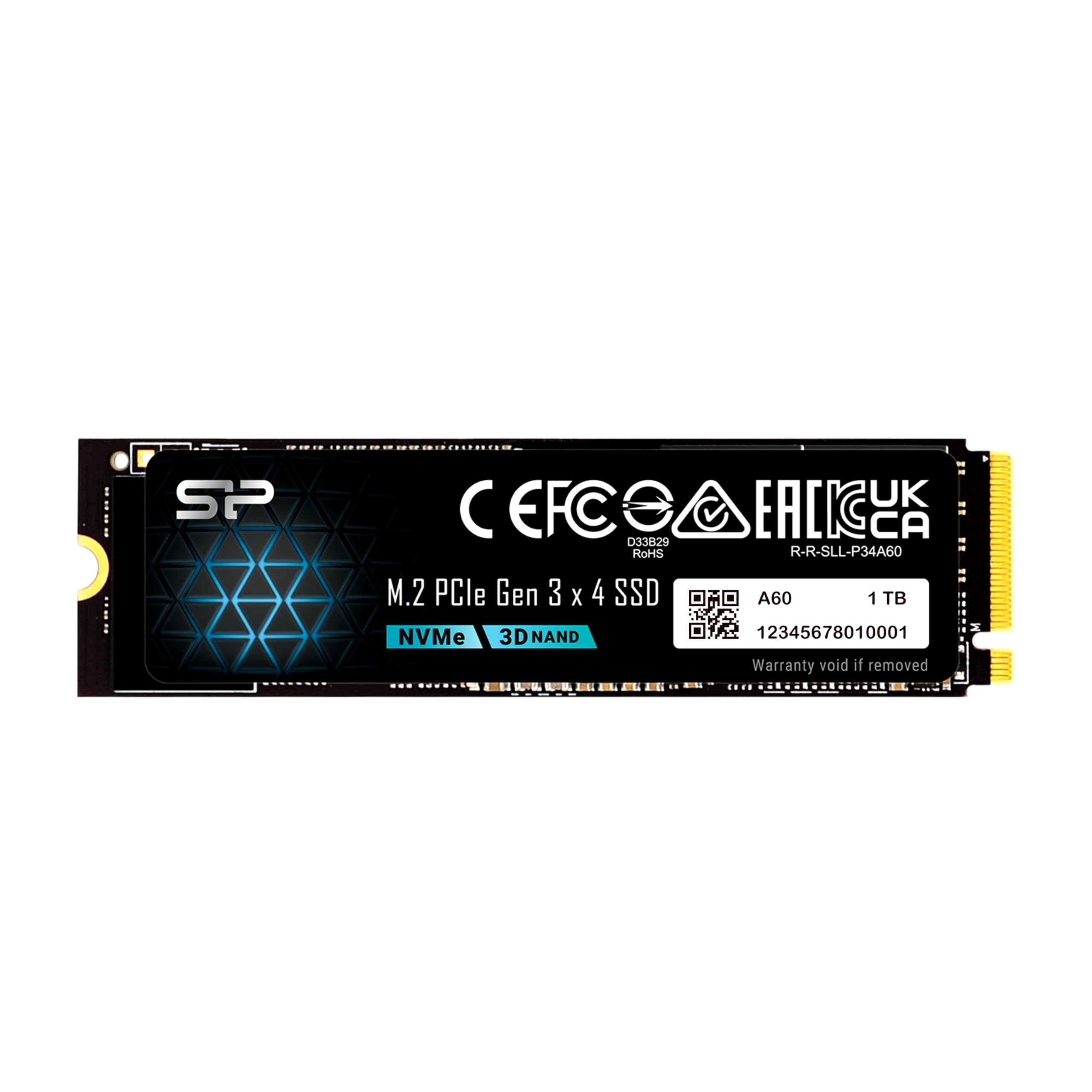 StorageSP Silicon Power 1TB$155
 Power supplyMSI MPG A850GS PCIE5 - 850W$90
 CaseCorsair 4000D RS ARGB$90
💡 Build analysis (AI)
- • Memory: 16GB (2x8GB) is low for a system intended for encoding and multitasking; 32GB would be more appropriate.
- • Cooler: The NH-D15’s 32mm RAM clearance conflicts with the 44mm-tall Vengeance RGB RS modules, as noted in the compatibility warning.
- • Storage: A single 1TB drive may fill up quickly with modern games; consider adding a secondary drive or opting for a larger capacity SSD.
- • −$10 → NZXT Kraken Plus 240 (AIO) — Eliminates the RAM clearance issue and costs $9.96 less while maintaining sufficient cooling for the 9900X.
How they compare
The value build is the best choice, staying under the $2000 budget with no compatibility issues. The performance build exceeds the budget and has a RAM clearance conflict, while the balanced build also has a clearance conflict despite being under budget.
Budget of $2000 is sufficient for a strong gaming PC with a capable CPU and GPU for 1440p gaming and multitasking.
Value
- Under budget by $394.94
- No compatibility warnings
Performance
- Highest performance potential
- Over budget by $636.78
- RAM height (33 mm) exceeds cooler clearance (32 mm), causing possible conflict
- The RAM might cause clearance issues, but this could be resolved by adjusting cooler position or selecting lower-profile RAM.
Balanced
- Under budget by $115.14
- Good balance of cost and performance
- RAM height (44 mm) exceeds cooler clearance (32 mm), causing possible conflict
- While a clearance conflict is warned, it may not be a problem in practice depending on case and cooler orientation.
Go with the value build. It fits comfortably within your $2000 budget without any hardware conflicts, giving you peace of mind. If you need more performance and can stretch your budget, address the RAM clearance in the balanced build, but the value build is the safest bet.
Why these parts work together
Value build
The Ryzen 7 7700X provides 8 cores and 16 threads for encoding and streaming at 1080p, while the RTX 5070 with 12GB VRAM handles 1440p gaming at high settings. The GIGABYTE B650 AORUS Elite AX offers Wi-Fi 6E and PCIe 5.0 for future storage upgrades. We paired a 750W PSU to keep costs low, and the Dark Rock Pro 5 keeps the CPU cool under extended streaming sessions. 16GB of DDR5 is adequate for most games and streaming tasks, but upgradeable later.
Performance build
This $2,637 build goes beyond the $2,000 budget for those who want uncompromised streaming. The 9800X3D's 3D V-Cache delivers exceptional gaming performance, and with encoding offloaded to the RTX 5070 Ti's NVENC engine, its 8 cores are plenty: you don't need the 9900X's extra cores when the GPU handles the stream. The 16GB RTX 5070 Ti also provides ample VRAM for 1440p ultra and even 4K streaming. The X870 Tomahawk motherboard supports PCIe 5.0 storage, and 32GB of DDR5 ensures plenty of headroom for heavy multitasking. Dual 1TB Gen4 NVMe drives (a fast WD_Black SN7100 plus a second Kingston NV3) give you speed and extra room to grow. Note that the RAM's 33mm height leaves only 1mm of clearance against the NH-D15's 32mm limit, so double-check fitment or consider a lower-profile kit.
Balanced build
At $1,885, this is our sweet spot for streaming under $2,000. The Ryzen 9 9900X has 12 cores and 24 threads, effortlessly handling x264 encoding at medium preset while gaming. The RX 9070 XT with 16GB VRAM matches the RTX 5070 Ti in many titles, excelling at 1440p. The MSI MAG B650 Tomahawk Wi-Fi provides solid connectivity, and the Noctua NH-D15 keeps thermals low. We paired an affordable 1TB Gen3 NVMe drive (plenty of space for your OS, games, and recordings) with an 850W power supply for reliability and upgrade headroom. Note that the 44mm-tall RAM modules exceed the NH-D15's 32mm clearance, so check fitment before you buy or swap in a low-profile kit.
Frequently asked questions
Can these builds stream at 1440p with high in-game quality?
Yes. The balanced build easily handles 1440p high-ultra settings while streaming via NVENC (NVIDIA) or AMF (AMD). The value build may need to drop to medium-high for demanding games at 1440p, and the performance build can do 1440p ultra or even 4K with upscaling.
Are these parts compatible with future upgrades?
All builds use the AM5 socket and DDR5 RAM, so you can upgrade to a newer Ryzen 9000-series CPU later. The value and performance motherboards support PCIe 5.0 M.2 storage for faster future drives, while the balanced build's B650 Tomahawk runs PCIe 4.0. Power supplies are 750W+ and should handle next-gen GPUs within their wattage range.
What can't these streaming PCs do?
None of these builds are ideal for 4K native max settings in AAA games while streaming; even the performance build may need DLSS/FSR. None include a webcam or capture card, so you'll need to add one separately for a face-cam overlay or console capture. And the 16GB RAM in the value/balanced builds may limit heavy multitasking, like running a VM alongside streaming.
Which build is best for NVENC encoding?
The builds with NVIDIA GPUs (value RTX 5070 and performance RTX 5070 Ti) support NVENC, which offloads encoding from the CPU. The value build is great for NVENC at a lower price. The balanced build uses AMD AMF, which is comparable but may require slightly more CPU resources.
More Streaming builds
Describe your own needs and budget, and get three compatibility-checked builds in minutes.